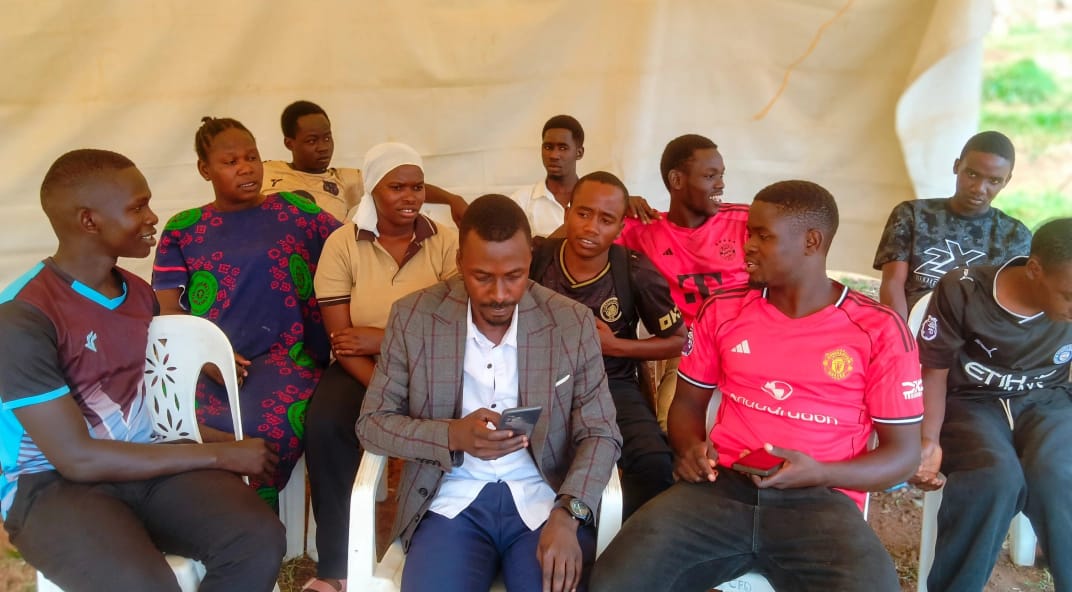
No salary, But all the problems: inside the LC1 office
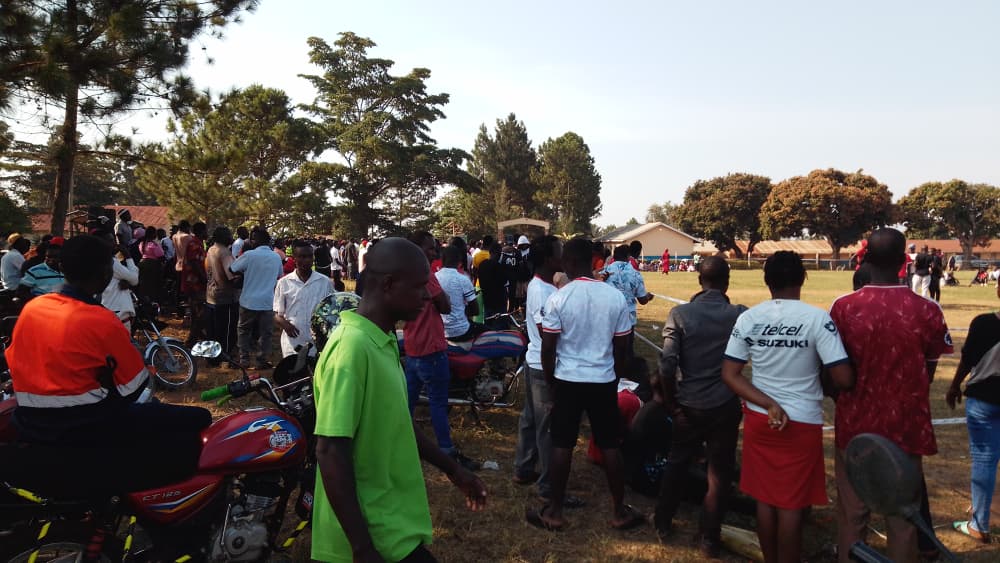
Voters in Vvumba Luwero being briefed before the LC1 elections
By Sserwanga Najib Kizito/ Tuesday, 28th July 2026
Where LC1s Came From
LUWERO — Uganda’s Local Council One, or LC1, is supposed to be democracy at the doorstep. It’s the smallest elected political unit at the village level, where every adult votes directly. In theory, LC1s bring governance closer to the people. In practice, the elections have become a mix of civic hope, political patronage, and administrative delays.
LC1s were created under the Resistance Council system in the 1980s, after the NRM came to power. The idea was to build governance from the grassroots up, rooted in the “ten-cell” system used during the bush war.
The 1997 Local Governments Act formalized LC1s as part of Uganda’s decentralization policy where
each village elects a 9-person committee chaired by an LC1 Chairperson. The chair is the most visible figure tasked with among others to maintain law and order, mobilize people for government programs, witness land transactions, issue recommendation letters, and resolve minor disputes.
Initially the system was meant to be adult suffrage every 5 years. They are non-partisan on paper, candidates stand as individuals, not on party tickets.
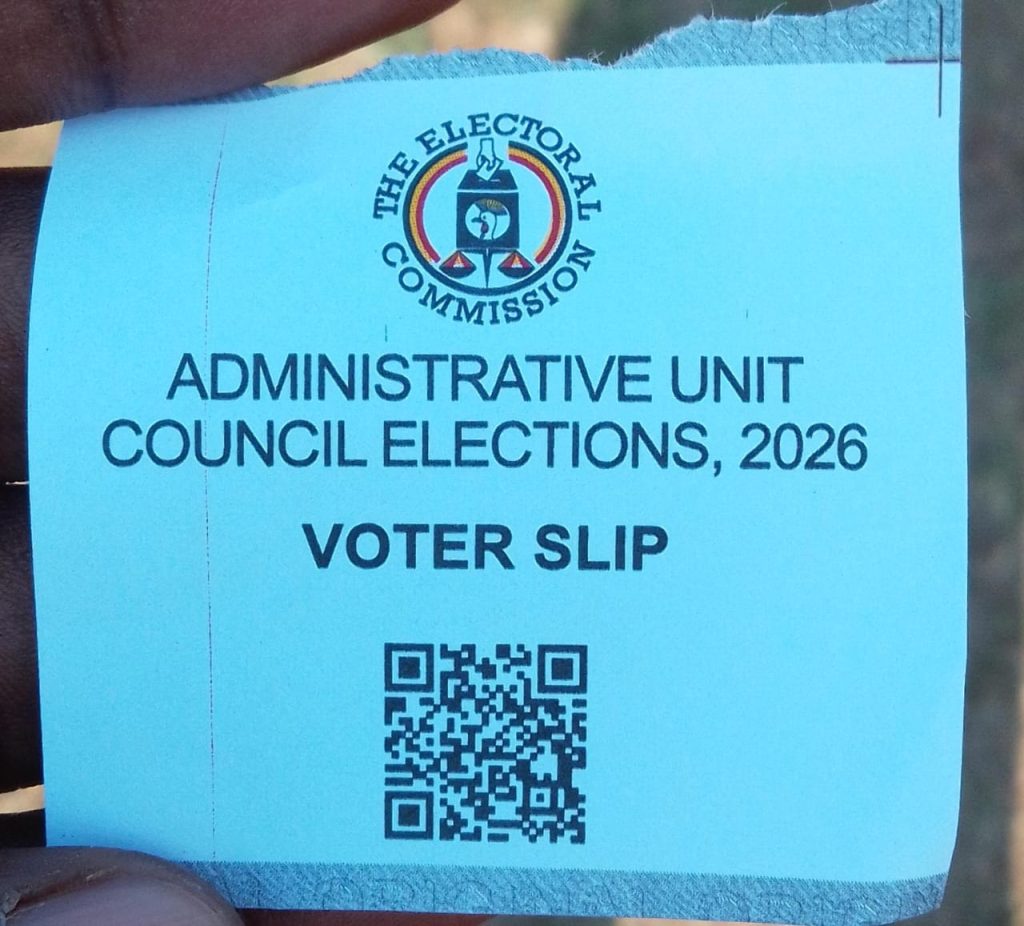
Voter slips used to verify voters
A History of Delays
Elections have been irregular. After 2002, the next full LC1 elections were only held in 2018. The 2023 LC1 elections, held in November, were the first in 5 years. Gaps of 10+ years between polls have been common, with government citing funding and administrative challenges.
A Critique: Where the System Strains
The democracy deficit:
The biggest criticism is that LC1 elections are not held on time. When a committee serves for 10-15 years without fresh mandate, accountability weakens. Voters in Kampala and in rural villages alike complain that leaders become “permanent” and less responsive. The Electoral Commission often postpones polls due to lack of funds, which undermines trust in decentralization.
Non-partisan in law, partisan in practice
The law says LC1s are non-partisan. In reality, every LC1 race in 2018 and 2023 was heavily influenced by NRM, NUP, FDC and other parties. Candidates campaign with party colors, money, and endorsements. This creates tension: people expect a neutral village judge, but get a party mobilizer. It also excludes candidates without party backing or money.
Too much power, too few resources
LC1 chairpersons handle land disputes, domestic conflicts, and issue letters for IDs, schools, and police. Yet they are “volunteers”, they get a small honoraria of UGX 10,000 per month in some districts, and often nothing. The result: some leaders monetize their position. “Recommendation letters” and mediation fees become informal income. This erodes public trust and makes LC1s vulnerable to bribery.
Gender and inclusion gaps
While the 9-person committee must include women, youth, and PWD representatives, critics note that real decision-making still sits with the male chairperson. In many villages, women are elected to fill slots but are not supported to lead. Turnout is also a problem, 2023 saw low voter turnout in urban areas like Kampala, where people feel LC1s have no real power.
Overlapping mandates
LC1s often clash with parish chiefs, RDCs, and police over who has authority. Because they have responsibility without a budget, they end up being implementers of directives from above, rather than representatives of people from below.
Why They Still Matter
Despite the problems, LC1s remain the first point of contact between state and citizen. During COVID-19, it was LC1s who did contact tracing. During elections, they manage voter registers. In land and family disputes, they are often faster and cheaper than courts. When they work, they prevent small problems from becoming big ones
LC1 elections were designed to put power in villagers’ hands. The concept is sound. The execution has been inconsistent. Until elections are timely, roles are clear, and leaders are supported, LC1s will remain both vital and vulnerable, the place where Ugandans feel government most, and where government often fails them most.
Story By Sserwanga Najib Kizito, Luwero (nazl4e@gmail.com)